How to avoid destroying your roadway when installing safety loops on your automated gate or vehicle barrier.
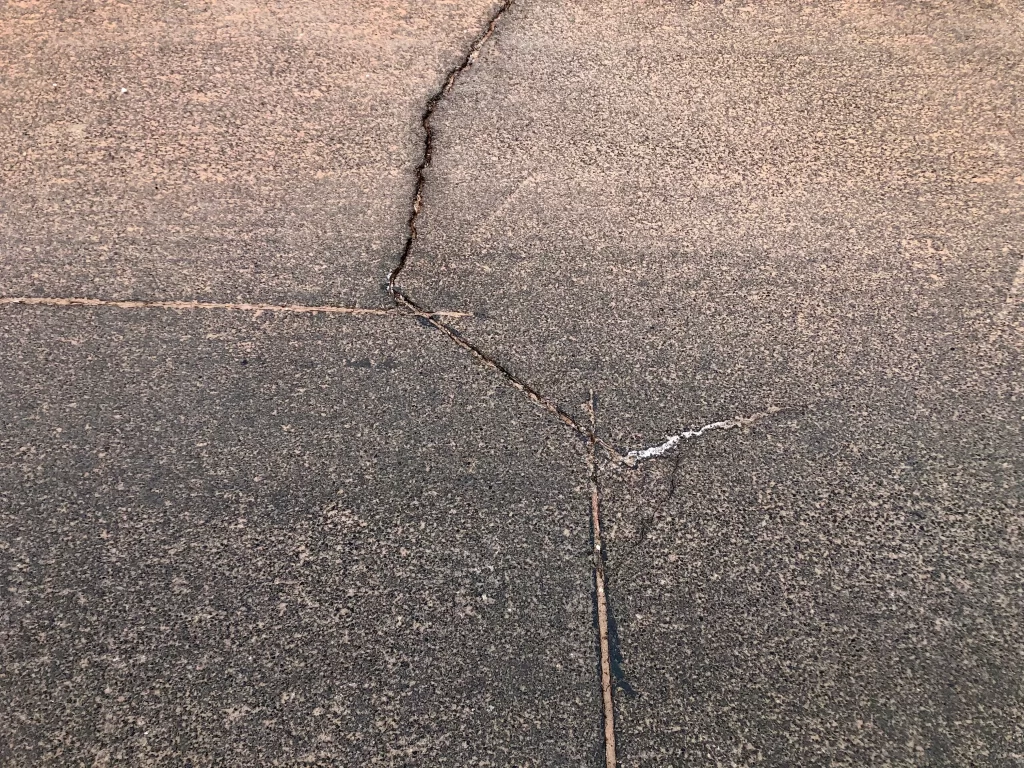
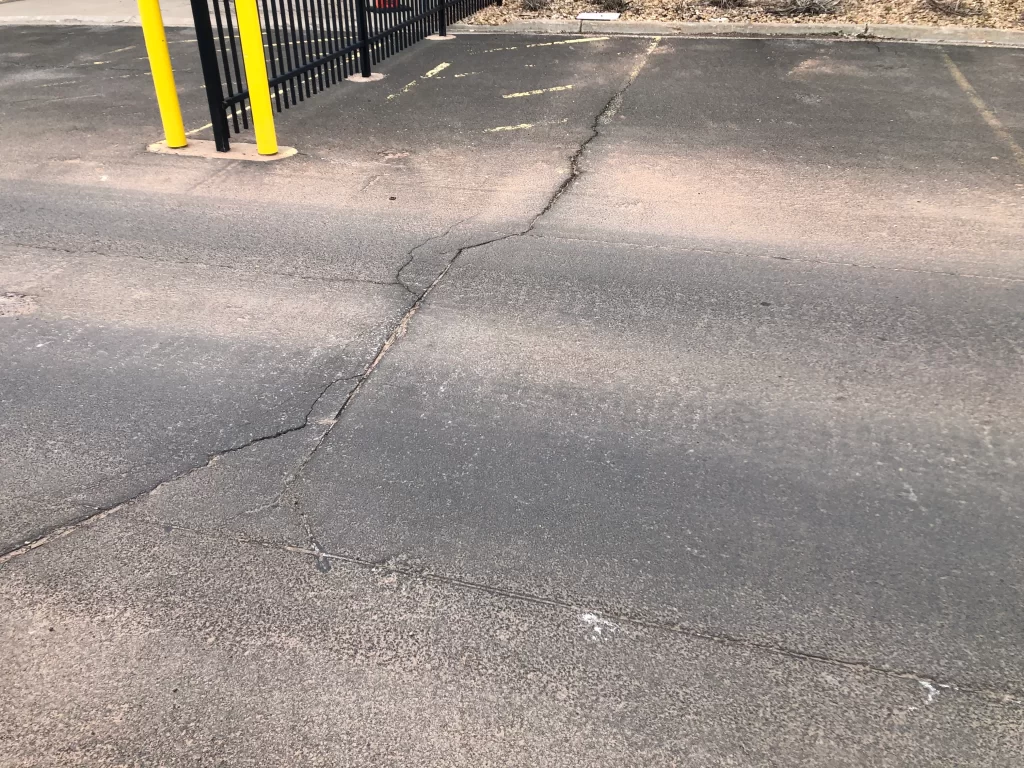
If you have safety loops for your automated gate, there is a good chance that you also have cracks in your roadway. In Colorado, our extreme weather changes wreak havoc on asphalt and concrete with cracks. As moisture gets in the cracks and expands with freezing temperatures, those cracks continue to get bigger and bigger, until you are forced to re-pave. If your location has heavy vehicle traffic and / or large trucks, cracked roadways wear even faster … so it’s a good idea to install a vehicle safety loop in a manner that minimizes cracking.
If you are able to install a loop before you put down your roadway, that is the best option. Whether asphalt or concrete, preformed loops that are installed underneath the road base are the most reliable form of loops possible. This process requires trenching and installation of a direct burial loop, but it also greatly minimizes cracking and increases longevity of the loop and your road.
Many loops use a sawcut installation, and that is why you see many loop installations with cracks emanating from them. Often, you’ll see the loop has gone bad and was replaced with another sawcut loop installed right next to It, multiplying the problem. Luckily, there is a better way.
If your roadway is already paved, and you dislike the idea of purposefully cutting into your road, there is a great solution. The OPTEX Virtual Loop 2.0 is a sensor utilizing microwave technology to perform the same function of a traditional safety loop, but without cutting. This sensor can be mounted on or near your gate post and provides a vehicular safety device that never touches your road. Even if you already have a cracked roadway, but need to replace that old non-functioning loop, installing a Virtual Loop is an option that will prevent further roadway degradation.